.svg?q=70&width=384&auto=webp)


The Surprising Story Behind Easter Food Traditions
Find out why ham, lamb, colorful eggs, and other foods have become an integral part of the Easter dining experience.
Published: Mar 13, 2025 | Modified: Mar 02, 2026
Today's Easter table is a rich, indulgent spread, ranging from glazed spiral ham to rack of lamb, deviled eggs to chocolate bunnies, carrot cake to hot cross buns. But the origins of these beloved traditions are more surprising than most people realize.
Ironically, fasting helped shape what we feast on today. Many Christians spent the 40 days of Lent eating simple, light fare before Easter Sunday arrived - and the holiday became a celebration of abundance after weeks of restraint. "In the medieval Catholic calendar, where a lot of these religious and food traditions come from, there were many fast days," says Sarah Wassberg Johnson, author and food historian behind The Food Historian. "Easter, particularly coming out of Lent, was associated with some sort of feasting; food has always been an integral part of the celebration."
Read on to learn how some common Easter food traditions became part of the holiday's classic cuisine lineup.
What Foods Are Traditionally Eaten on Easter?
The most common foods served at a traditional Easter dinner include:
- Ham - the most popular Easter main course in the United States, with roots in pre-refrigeration food preservation
- Lamb - a traditional Easter protein with deep religious symbolism, more common globally than in the U.S.
- Deviled eggs and hard-boiled eggs - tied to the end of the Lenten fast and centuries of egg symbolism
- Asparagus and glazed carrots - spring vegetables that naturally come into season around Easter
- Hot cross buns - a spiced, egg-enriched bread with a cross marked on top, traditional on Good Friday
- Sweet breads - served across Germany, France, Poland, and other European countries, often made with dried fruits and nuts
- Lamb cake - a traditional cake baked in a lamb-shaped mold, popular in Eastern European and Catholic communities
- Carrot cake - a modern Easter staple, tied to the carrot symbolism of the Easter Bunny
- Chocolate bunnies and Easter candy - a tradition dating to the 1800s when manufacturers began molding chocolate into seasonal shapes
Why do we eat ham and lamb at Easter?
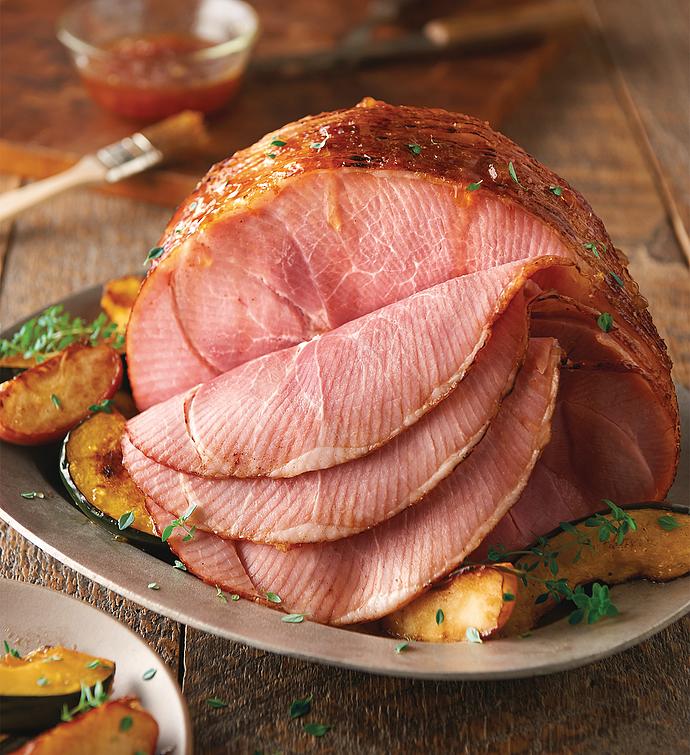
Ham is the most widely served Easter main course in the United States, but its connection to Easter has nothing to do with religion, it is almost entirely a matter of agricultural timing and practicality. . In northern and other frigid climates, where residents had to preserve enough food to last through the winter, fasting was somewhat necessary to ensure people had sufficient nourishment during the cold months, Wassberg Johnson says. By spring, however, people were ready to enjoy some of the high-end cuts they'd tucked away, such as ham.
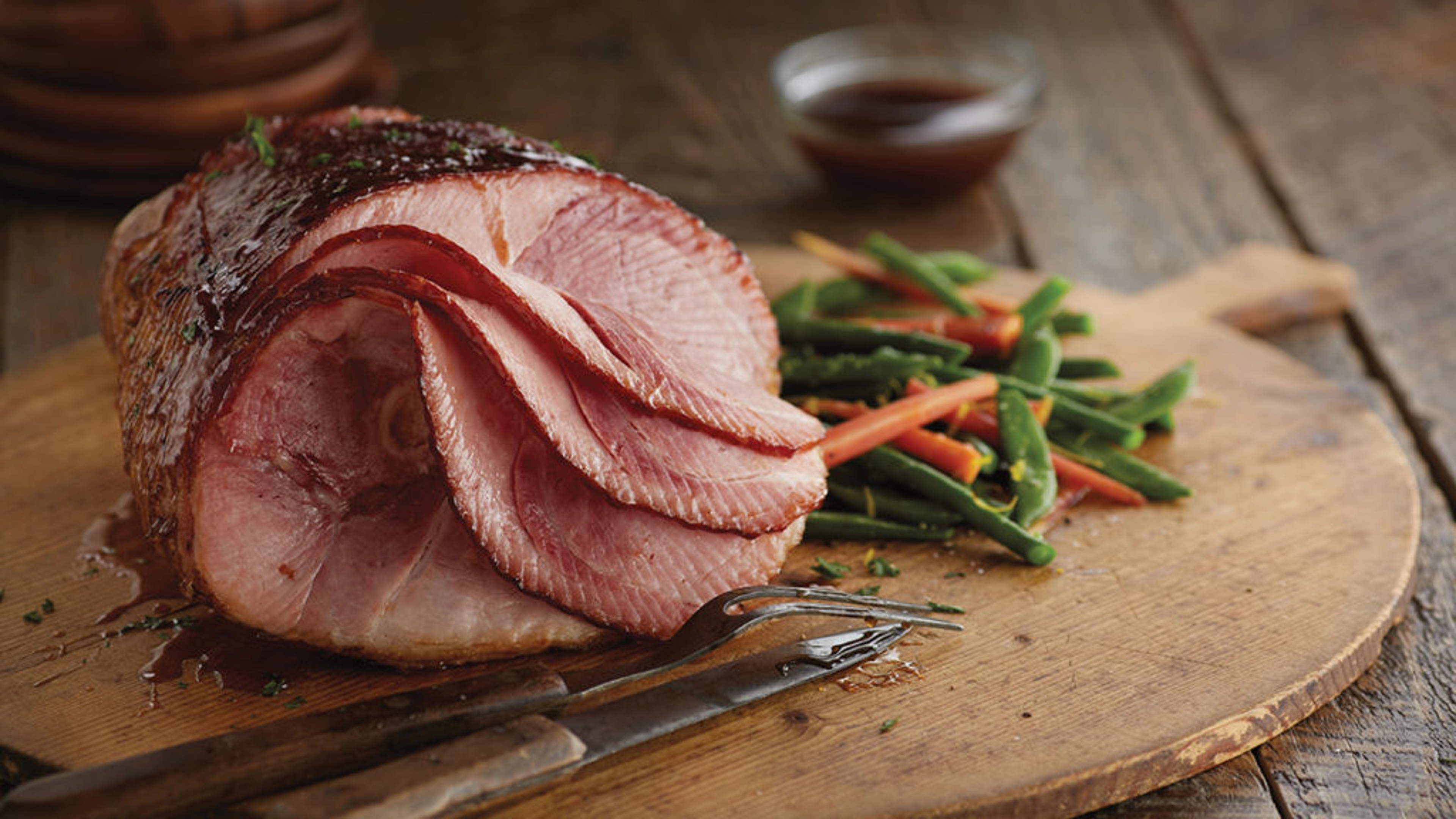
“Having a celebratory feast in April was a way to put a period on that time of fasting," Wassberg Johnson says. “You can eat up the rest of your preserved meat because you're going into the season when you'll have access to fresh fish with the spring fish runs, the baby animals are going to start to mature, and you'll have more meat than you did over the winter."
One of those meats is lamb. The time of year when sheep are commonly born, called lambing season, occurs before Easter — "usually February-ish," Wassberg Johnson says — which helps make lamb a frequently served dish on the holiday. Lamb is the more globally traditional Easter protein, and its connection to the holiday runs deeper than practicality.
There's also the religious connection to Jesus being the shepherd and the lamb of God. "One of the reasons why people today still choose lamb is not only because it was readily available in many countries in the spring as an early meat, but also because there's that symbolism," Wassberg Johnson says.
What is a Traditional Easter Dinner?
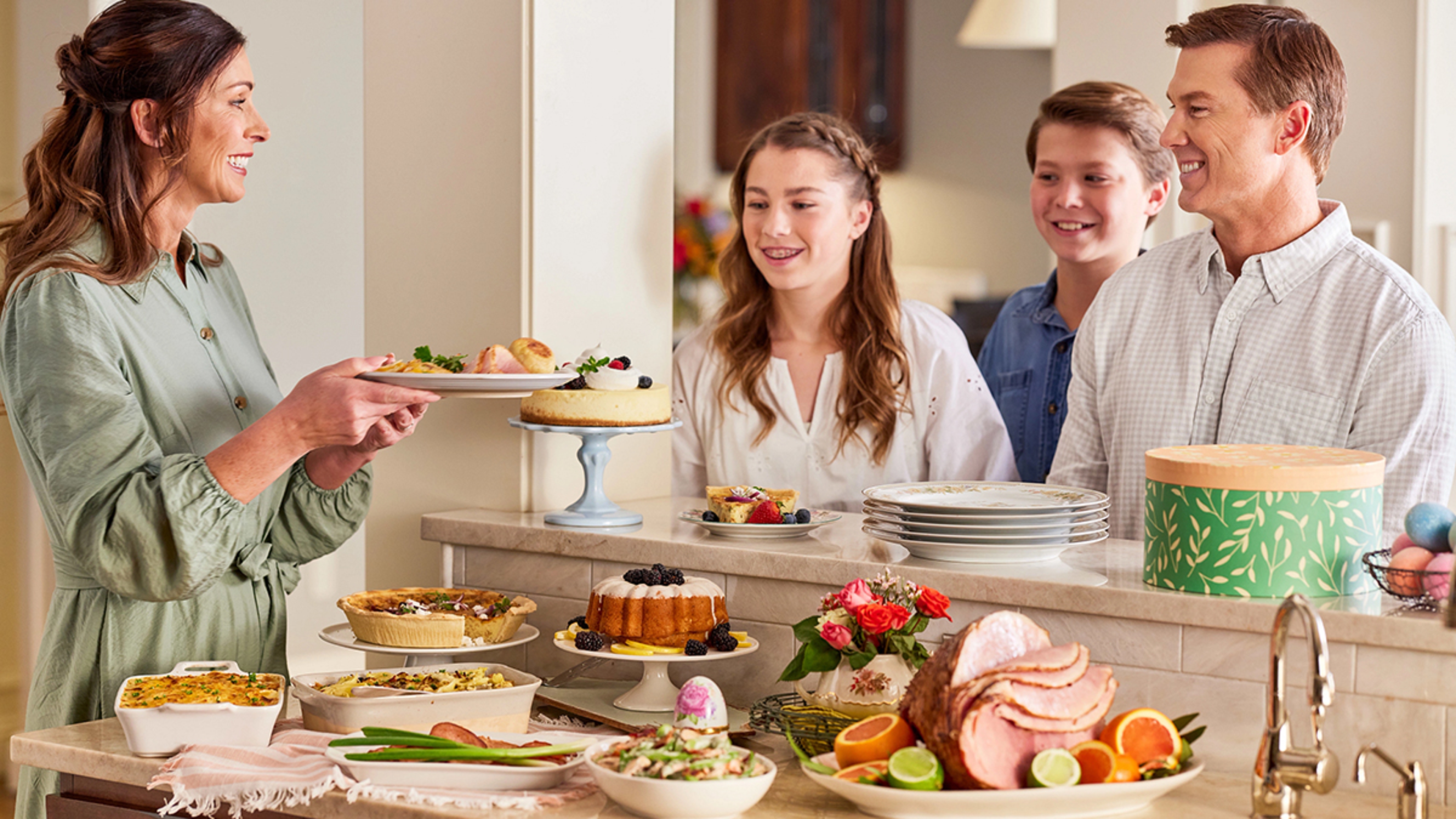
A traditional Easter dinner features ham or lamb as the main course, accompanied by spring vegetables like roasted or glazed carrots and asparagus, hot cross buns or sweet Easter bread, and desserts like chocolate eggs and coconut cake. The menu reflects both medieval feasting traditions after Lenten fasting and the seasonal availability of spring ingredients.
Seasonality, Wassberg Johnson says, factors heavily into the items that often accompany Easter entrees. Vegetables like carrots and asparagus tend to sprout in spring, making them natural side dish choices for complete Easter dinner menus featuring ham, sides, and desserts.
Easter bread and hot cross buns
Seasonality, Wassberg Johnson says, also factors into the items that often accompany Easter entrees, such as roasted or glazed carrots and asparagus, which tend to sprout in spring. A number of European countries, such as Germany, France, and Poland serve sweet breads for dessert, she says, and possibly as a side dish or for breakfast on Easter. These are traditionally made with dried fruits and nuts.
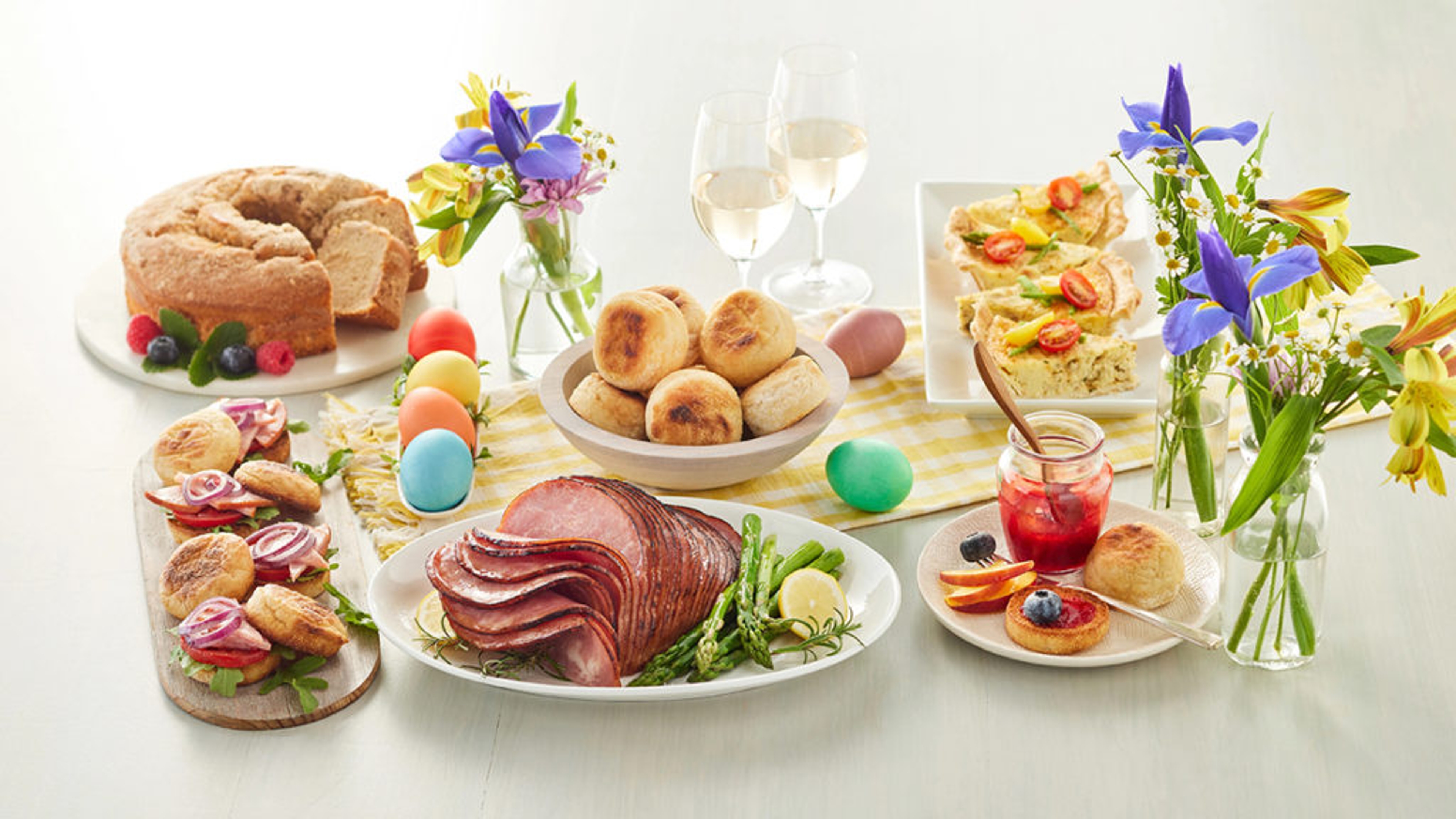
“In the more modern period, you see chocolate in some," Wassberg Johnson says. “They're sweetened either with honey, historically, or with sugar."
In addition to the loaves consumed, rounded rolls with a cross marked on top can be found in the United Kingdom. “Hot cross buns are the British version of Easter bread," Wassberg Johnson says. “It's an egg-enriched dough; it's very buttery. The cross apparently is in honor of Good Friday [the day Christians generally observe Christ's crucifixion]."
Why are eggs associated with Easter food traditions?
Eggs are one of the oldest and most layered symbols in Easter tradition, carrying both religious meaning and pre-Christian roots. For instance, the tradition of dyeing hard-boiled eggs before Easter — a long tradition particularly in Eastern Europe and one that may date back to the Roman Empire — is, by some accounts, inspired by a folklore tale. The story goes that Ostara, the ancient Germanic goddess of spring, transformed a bird into a hare — yet it still was able to produce colored eggs for the yearly Eastertime festival.
Today, eggs are available year-round, but, historically, chickens didn't lay many eggs in the winter, Wassberg Johnson says, but would start again in the spring.
Why do we give chocolate and baskets for Easter?
Americans buy more candy for Easter than any other holiday, and nearly half say egg- or rabbit-shaped chocolates are their favorite Easter treats. Today's foil-wrapped eggs, carrot-shaped chocolates, and other coveted confections can be traced back to the 1800s, when manufacturers began to shape chocolate similarly to how they'd sculpted sugar the century before, according to Beth Kimmerle, food industry consultant and author of Candy: The Sweet History.
“Candy is like glass; you can do a lot of different things with it because of the crystallization, but chocolate took a little bit longer [to figure out]," Kimmerle says. “In the Industrial Revolution, people found ways to mold it by machine, using metal molds."
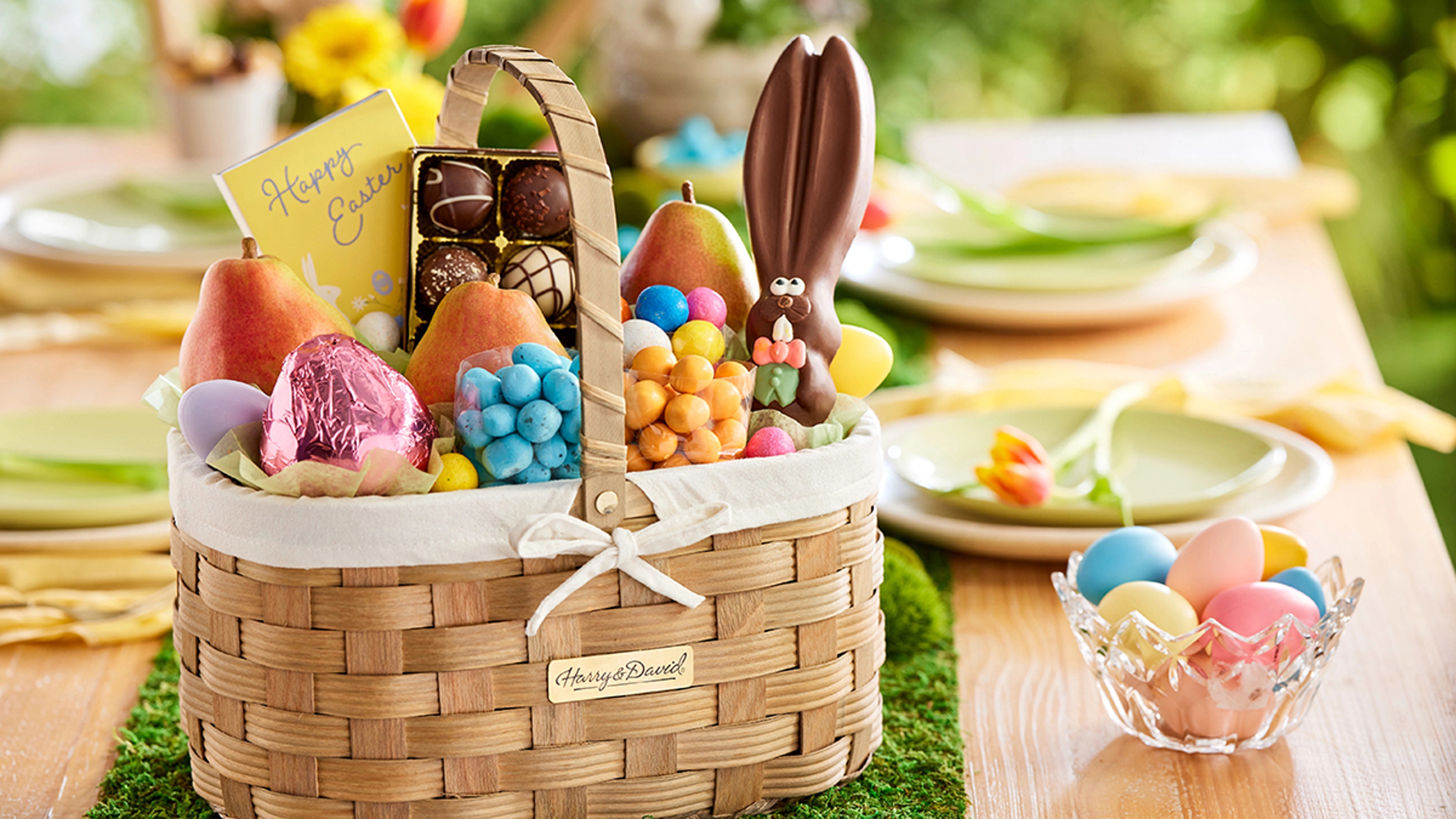
The baskets used to contain Easter candy are likely a holdover from the days when baskets were used to transport food before canvas and plastic bags became the norm, according to Kimmerle. She also says the plastic grass inside the baskets is a nod to nature's annual rebirth, since blades typically begin to emerge from the ground after winter.
Today, people may forgo a typical woven basket for more inventive options, such as a personalized version or a reusable floppy-eared bunny tote bag, and candy is far from the only possible inclusion. Some Easter food aficionados prefer to gift a sweet-and-savory mix of artisan cheeses, fresh fruit, and rich chocolate, or an assortment of baked goods. Floral items, such as an Easter lily, potted tulip, or other plant, are also popular holiday presents.
Celebrating Easter Food Traditions Today
Whether serving traditional ham and lamb or gifting chocolate-filled baskets, Easter food traditions blend medieval Christian customs with spring seasonality. These centuries-old practices continue to bring families together for one of the year's most anticipated celebrations.
Easter celebrations may include giving a basket filled with candy or other items, or sitting down to a robust rack of lamb dinner, you can be sure of one thing: You are not alone in wanting to partake in the established, nostalgic traditions of this beloved holiday. “People are ready to celebrate," she says. “Between ice storms and weird weather, this has been a crazy winter for a lot of people. The timing is right for Easter.
"People are just going to be like, 'Bring on the chocolate bunnies!'"
How to Build the Perfect Easter Menu
Whether you are planning a formal Easter dinner or a relaxed Easter brunch, here is a complete traditional Easter menu to draw from:
Main course options:
- Glazed spiral-sliced ham - the American classic
- Rack of lamb - the globally traditional choice
Sides:
- Deviled eggs
- Roasted asparagus
- Glazed carrots
- Spring salad with fresh greens
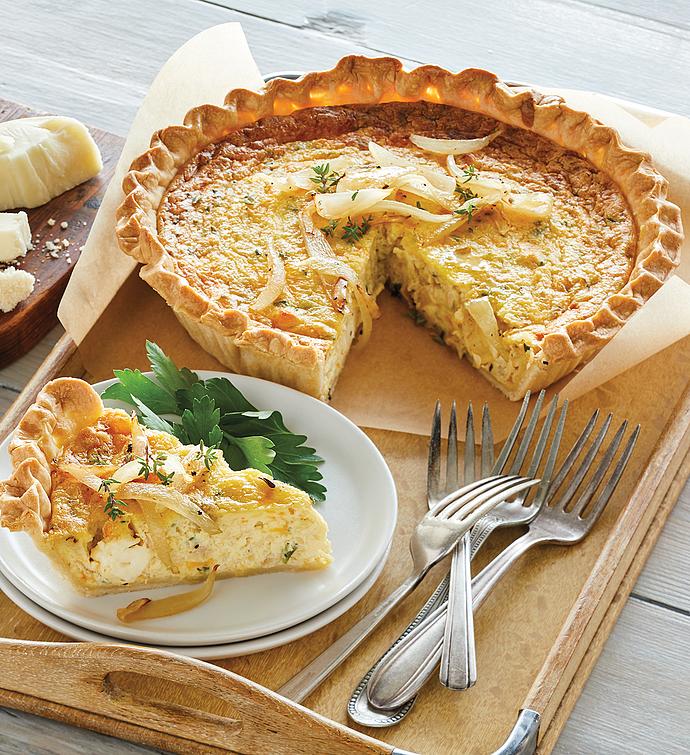
- Quiche for brunch
Breads:
- Hot cross buns
- Sweet fruit-and-nut bread
Desserts:
For wine pairings to complement every dish on this list, see our guide to Easter food and wine pairings.
However you build your Easter table this year, you are participating in traditions that stretch back centuries - shaped by the rhythms of the seasons, the rituals of faith, and the simple human joy of gathering around food after a long winter. "People are ready to celebrate," says Wassberg Johnson. "Between ice storms and weird weather, this has been a crazy winter for a lot of people. The timing is right for Easter. People are just going to be like, 'Bring on the chocolate bunnies!'"
Harry & David has everything you need to make your Easter table memorable - from a glazed spiral ham as the centerpiece to Easter baskets filled with chocolates, sweets, and spring flowers for everyone at the table.
AUTHOR

Erin Brereton is a Chicago-based freelance journalist who writes about dining and culinary trends, travel, and other topics.